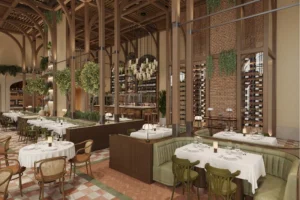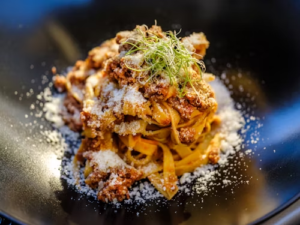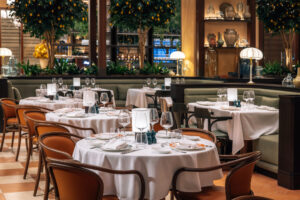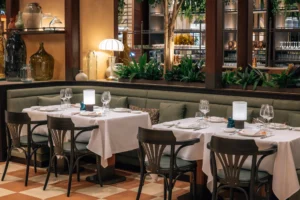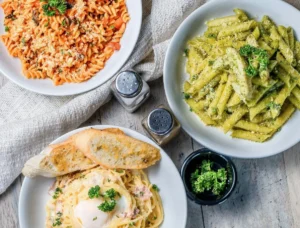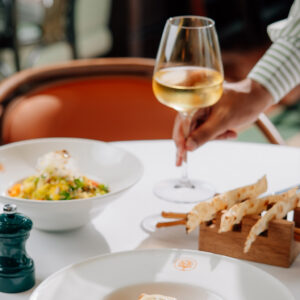
Across continents and generations, few culinary traditions capture the heart quite like Italian cuisine in Dubai and around the world. Rooted in family rituals, seasonal ingredients, and recipes lovingly passed down through generations, this beloved gastronomy tells stories far beyond the plate. It is not only about taste, it is about connection, memory, and culture.
From countryside kitchens to elegant dining tables, every dish carries history shaped by regional pride and timeless techniques. Whether enjoyed in a small village trattoria or a vibrant cosmopolitan city, this cuisine continues to unite people through warmth, generosity, and the simple joy of sharing a meal together.
The Role of Family at the Italian Table
Food in Italy begins at home. It begins around a table filled with laughter, conversation, and familiar aromas. At the heart of Italian cuisine, family is not simply present, it is essential. Every meal is a moment to slow down and reconnect.
A Tradition of Togetherness
Meals are shared and never rushed. Plates are passed from hand to hand. Stories flow as easily as wine.
- Sundays are reserved for long family lunches.
- Recipes are inherited through practice, not just written notes.
- Children learn by watching, tasting, and helping.
This rhythm of gathering shapes many classic Italian cuisine dishes that remain unchanged for decades.
The Nonna’s Kitchen Legacy
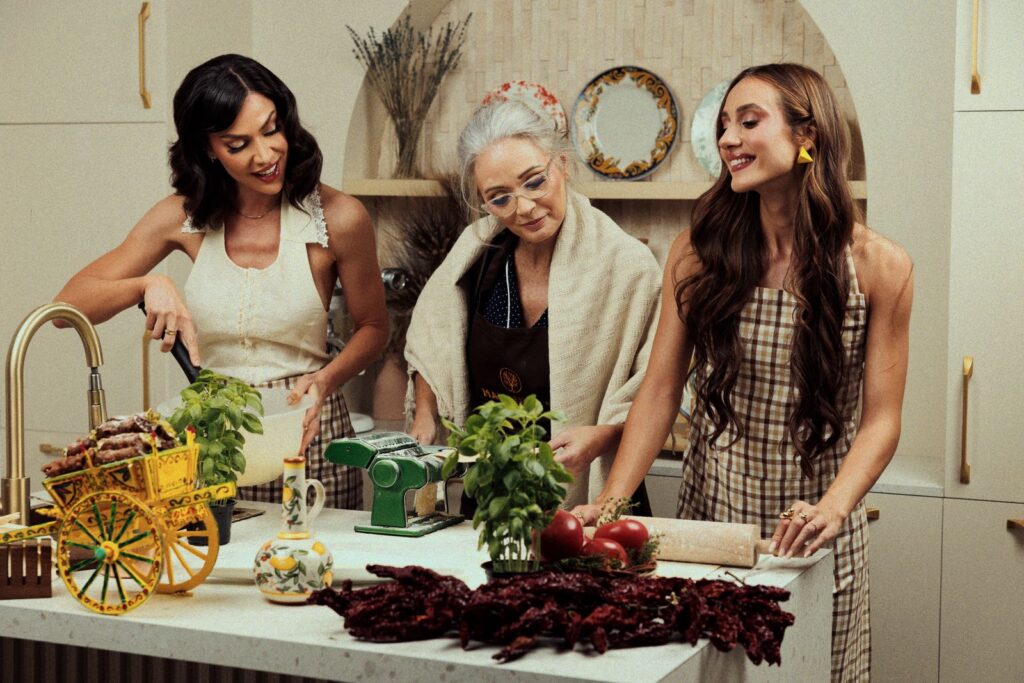
In many homes, the grandmother leads the kitchen. Her hands shape fresh pasta with quiet confidence. Sauce simmers for hours, filling the house with comfort.
- Handmade pasta is a ritual, not a trend.
- Cooking is an act of care and generosity.
- Tradition lives through repetition and patience.
Read More: The Magic of Fresh Herbs in Italian Cuisine: From Basil to Rosemary
Why Family Still Matters Today
Communal meals are still sacred in contemporary urban areas. Festivals are based on food. Special dishes are used to celebrate birthdays, holidays, and milestones.
Culture is maintained through such meetings. Flavor becomes memory. And the table keeps on bringing together generations as it has always been.
Simplicity, The Secret Behind Great Italian Cooking
True Italian cooking does not hide behind heavy sauces or long ingredient lists. It begins with respect for what nature provides. The beauty lies in choosing well and doing less.
Fresh Ingredients First
Every great dish starts at the market. Ingredients are selected at their peak, full of flavor and character.
- Seasonal vegetables bring color and freshness.
- Extra virgin olive oil adds depth and smooth texture.
- Fresh herbs lift aroma and brightness.
- Quality cheeses create richness without excess.
These foundations shape many beloved Italian cuisine dishes, where taste feels clean and honest.
The Beauty of Keeping It Simple
Italian kitchens follow one quiet rule, do not overcomplicate.
- Few ingredients can create bold flavor.
- Natural taste is always respected.
- Balance matters more than decoration.
A simple tomato sauce, slowly simmered, can speak louder than an elaborate recipe.
Regional Diversity, Same Philosophy
Across Italy, simplicity adapts to local produce.
- Northern tables favor creamy risottos and butter-based sauces.
- Southern kitchens celebrate tomatoes, olive oil, and sun-grown vegetables.
- Coastal regions highlight fresh seafood, grilled or lightly dressed.
Different regions, same mindset. Let the ingredient shine, and the dish will follow.
Tradition Shapes the Italian Cuisine Menu
Every authentic Italian table is made up of tradition. There is no such thing as one night recipes. They are perfected with time, experimented in the family kitchen and treasured. A true Italian food menu is not only historical and seasonal but also regional.
The Structure of Italian Cuisine in Dubai
At the heart of Italian cuisine in Dubai, tradition continues to guide the dining experience. The structure of the meal is intentional, designed to create balance and flow.
- Antipasti, light starters that awaken the appetite.
- Primi, pasta or risotto, crafted with time-honored techniques.
- Secondi, meat or seafood, prepared with care and simplicity.
- Dolci, desserts that end the meal on a sweet, memorable note.
Recipes Passed Through Generations
Behind this structure are methods protected for decades.
- Pasta shaped by hand, using traditional folding and rolling techniques.
- Slow-cooked sauces that develop depth over hours, not minutes.
- Wood-fired baking that adds texture and warmth.
Celebrations Written in Flavor
Tradition also shines during special occasions.
- Christmas seafood feasts filled with coastal heritage.
- Easter lamb dishes that symbolize renewal.
- Harvest meals inspired by seasonal abundance.
Each dish carries meaning. Each course tells a story. Tradition is not only preserved, it is lived at the table.
Regional Identity, Many Flavors, One Culture
Italy is one nation, but each area is different. The plate is composed of climate, terrain and local agriculture. Such diversity makes Italian cuisine rich and deep, and at the same time, it does not rule out a common philosophy of simplicity and respect to ingredients.
Northern Italy, Comfort and Mountain Influence
In the north, cooler weather influences heavier and heartier flavors.
- Butter-based sauces are more common than olive oil.
- Polenta and risotto replace dried pasta in many homes.
- Alpine traditions inspire slow cooking and rich textures.
Creamy risottos from Lombardy and Piedmont reflect this comforting style, perfect for colder seasons.
Central Italy, Rustic and Bold
Moving toward the center, flavors become earthy and straightforward.
- Pecorino cheese adds sharp character.
- Cured meats bring depth and saltiness.
- Olive oil becomes the foundation of most dishes.
Here, simplicity feels intentional and proud.
Southern Italy and the Islands, Sun and Sea
The south tells a brighter story.
- Sun-ripened tomatoes form the base of many sauces.
- Seafood specialties celebrate coastal living.
- Mediterranean spices add warmth and fragrance.
Despite regional contrasts, the soul remains the same. Fresh ingredients, honest preparation, and meals meant to be shared.
Why the World Fell in Love
The language of Italian food is universal. It is spell-bound and welcoming; it is also refined and classy. Whenever they taste it in Rome, New York or Dubai, people connect to it instantly.
Comfort Meets Elegance
There is something special about food that feels both simple and refined.
- Rustic recipes are presented with care and balance.
- Familiar flavors are elevated with quality ingredients.
- Traditional dishes fit both casual lunches and fine dining evenings.
A bowl of fresh pasta can feel like home. The same dish, served with craft and detail, can feel luxurious.
A Cuisine That Travels Well
Italian cooking adapts without losing its soul.
- It is easily embraced by different cultures.
- Recipes welcome local ingredients while keeping tradition alive.
- Techniques remain authentic, even when settings change.
This flexibility allows the cuisine to feel local, wherever it goes.
The Ongoing Search for Authenticity
Today, many diners search online for Italian cuisine near me, hoping to find more than just a meal. They want a story. They want heritage.
- Guests seek genuine, family-rooted experiences.
- Farm-to-table movements reflect Italian respect for fresh produce.
- People value craftsmanship over shortcuts.
That balance of heart, history, and hospitality explains why the world continues to fall in love.
Tradition in a Modern World
Italian cuisine has never stopped evolving, and the essence remains the same. The contemporary kitchen is a blend of the traditional and innovativeness and this element testifies to the fact that a tradition is dynamic. It evolves, transforms and takes new shapes without forgetting its core.
Preserving Authentic Techniques
Across modern restaurants, classic methods are making a strong return.
- Handmade pasta is once again shaped daily, not sourced from factories.
- Artisanal cheese production honors regional methods and aging processes.
- Wood-fired ovens bring depth, texture, and unmistakable aroma.
These techniques protect the identity of the cuisine. They slow the pace. They demand skill and patience.
Innovation With Respect for Roots
Modern chefs reinterpret tradition carefully. The goal is refinement, not reinvention.
- Contemporary plating enhances presentation while keeping flavors honest.
- Seasonal reinterpretations highlight fresh, local produce.
- Sustainability guides sourcing, waste reduction, and mindful cooking
This balance makes the dining experience interesting and contemporary. Visitors appreciate innovativeness, but at the same time, they can appreciate the cozyness of traditional dishes. It is still based on tradition, but careful innovation has made it keep on flourishing in the new world.
Where Tradition Becomes a Timeless Experience
Close your eyes and think of the most memorable meal you have ever had. Chances are, it was not only about taste. It was about who sat beside you, the stories shared, and the warmth that filled the room. That is the true power of Italian cuisine in Dubai. It connects generations, honors nature, and transforms simple ingredients into lasting memories.
If you are ready to experience this tradition in its purest form, let MamaBella welcome you to the table, where every dish tells a story and every gathering feels like home. Reserve your table at MamaBella today and begin your own Italian story.
Get More Information: Italian Dishes That Bring the Taste of Italy to Your Table