Dining at the best Italian restaurant is more than simply enjoying a meal, it’s about discovering the heart of Italian culture through food. Italian cuisine celebrates simplicity, seasonal ingredients, and recipes that have been lovingly passed down through generations.
From handcrafted pasta and wood-fired pizza to flavorful Mediterranean seafood, every dish reflects the traditions of Italy’s diverse regions. The result is a warm dining experience where guests can savor genuine flavors while sharing meaningful moments around the table.
What Defines an Authentic Italian Dining Experience
An authentic Italian dining experience goes beyond taste. It reflects culture, tradition, and the deep connection between food and family. True Italian restaurants focus on quality ingredients, traditional recipes, and a welcoming atmosphere where guests feel at home.
In places inspired by Italy’s culinary heritage, such as MamaBella in Dubai, the experience is shaped by classic cooking techniques and the warmth of Italian hospitality. Many dishes draw inspiration from family kitchens and regional traditions that have been preserved for generations. Authentic Italian spot recreates this heritage by honoring family-style cooking, traditional techniques, and high-quality ingredients.
Traditional Italian Cooking Methods
Italian cuisine values technique and patience. Many recipes are prepared using methods that have remained unchanged for decades.
Common traditional techniques include:
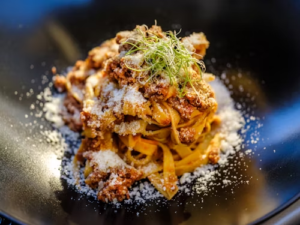
- Handmade pasta, crafted fresh each day using simple ingredients like flour and eggs
- Wood-fired cooking, often used for pizzas and grilled meats to create deep flavor
- Slow cooking, allowing sauces, ragù, and broths to develop rich taste over time
- Simple preparation, letting natural flavors shine without heavy processing
These methods help preserve the authenticity and integrity of Italian cuisine.
Fresh, Seasonal Mediterranean Ingredients
High-quality ingredients are the foundation of Italian cooking. Chefs often focus on seasonal produce and carefully sourced Mediterranean products.
Typical ingredients include:
- Extra virgin olive oil
- San Marzano tomatoes
- Fresh herbs such as basil and rosemary
- Artisan cheeses like Parmigiano Reggiano
- Fresh seafood and vegetables
Menus often change with the seasons to maintain freshness and flavor.
Family-Style Dining Culture
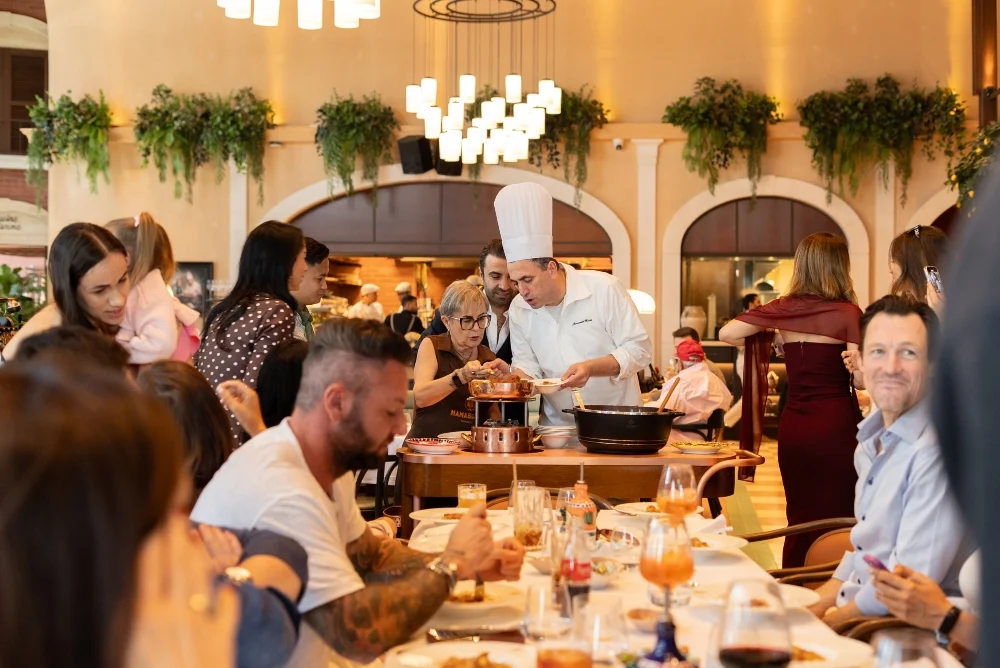
In Italy, meals are meant to be shared. Dining is a social experience where families and friends gather around the table.
This culture often includes:
- Multiple courses served gradually
- Shared plates that encourage conversation
- Relaxed dining that values time together
Restaurants that embrace this tradition create an inviting atmosphere that reflects true Italian hospitality.
Read More: What Makes an Italian Restaurant Truly Authentic? A Food Lover’s Guide in Dubai
Why Authenticity Matters in Italian Restaurants
Authenticity ensures that guests experience the real essence of Italian cuisine. When recipes stay true to their roots, diners can connect with the history and culture behind each dish.
Restaurants that follow traditional methods often emphasize:
- Handmade preparation
- Regional recipes
- Respect for Italian culinary heritage
The Role of Tradition in Italian Cuisine
Italian cooking is all about tradition. The reason is that many Italian recipes have not been altered over generations since families do everything to keep their recipes and method of cooking. These customs preserve the original flavor of Italy.
Those restaurants that value these traditions are preoccupied with heritage recipes, slow-cooking, and simple ingredients. Where Italian culture is a source of inspiration, like MamaBella in Downtown Dubai, the idea is to reproduce the atmosphere of a real-life Italian family table, where food is history and meaning.
This idea is based on the traditions of Italian mothers and grandmothers who kept in their kitchens the authentic recipes.
Recipes Passed Through Generations
Italian cuisine is built on family traditions. Recipes are often shared from parents to children and preserved for decades.
These time-honored recipes usually include:
- Handmade pasta using traditional dough techniques
- Slow-cooked sauces prepared with simple ingredients
- Classic regional dishes that reflect local culture
- Cooking methods that prioritize flavor and patience
This generational knowledge keeps the authenticity of Italian food alive.
Why Tradition Matters at the Best Italian Restaurant
The best Italian restaurant experience is built on respect for tradition and authenticity. Guests expect more than just good food. They want dishes that reflect genuine Italian culture and heritage.
Restaurants that honor tradition often focus on:
- Authentic regional recipes
- Fresh Mediterranean ingredients
- Handmade preparation methods
- Warm Italian hospitality
By preserving these traditions, Italian restaurants create a dining experience that feels both authentic and memorable.
Ingredients That Make Italian Food Exceptional
Italian cuisine is known for its simple yet deeply flavorful dishes. The best secret of most traditional dishes is the good quality of ingredients, instead of the complicated cooking methods. True Italian kitchens are dedicated to fresh and seasonal products, emphasizing the natural taste.
Qualified cooks know that even a simple meal will be remembered when the ingredients are chosen carefully and well-cooked. Traditional Italian restaurants may adhere to the traditional culinary standards of Italy and will emphasize on high quality Mediterranean food to achieve authenticity and consistency.
San Marzano Tomatoes
San Marzano tomatoes are rated as one of the best tomatoes that are used in cooking in Italy. They are characterized to be balanced in the sweetness, low acidity and deep flavor.
They are commonly used in:
- Traditional pasta sauces
- Authentic pizza bases
- Slow-cooked tomato ragu
- Traditional Mediterranean seafood.
These tomatoes are used to produce the honorable flavor in most Italian recipes.
Extra Virgin Olive Oil
The extra virgin olive oil is a basic ingredient of Italian cuisine. It adds freshness and depth to dishes as well as boosting the flavor.
It is widely used for:
- Salads and vegetables dressing.
- Finishing pasta dishes
- Seafood and meat marinating.
- Traditional sauce preparation.
The olive oil of the high quality also is the symbol of the Mediterranean life and traditions of the healthy cooking.
Parmigiano Reggiano and Real Italian Cheeses
In most of the Italian cuisines, cheese is a significant ingredient in most of the recipes. Parmigiano Reggiano is one of the most admired cheeses, and it is commonly referred to as the king of Italian cheeses.
Italian cuisine is known to use common cheeses which include:
- Parmigiano Reggiano with pasta and risotto.
- Burrata on fresh salad and antipasti.
- Gorgonzola as a cream sauce.
- Pecorino adds a rich taste to traditional foods.
Fruits and Veggies: Fresh and in Season
Italian cuisine is characterized by the use of fresh herbs and vegetables in-season to impart aroma, color and balance into the food. Italian chefs use natural ingredients which depend on the change of seasons.
Ingredients that are often used are:
- Pasta tomatoes oceanic basil
- with tomatoes.
- Rosemary for grilled meats
- Time to eat seafood and vegetables.
- Salads and side dishes of seasonal vegetables.
This ingredient-first thinking is just a representative of the Italian culinary legacy, in which basic, fresh foodstuffs form exceptional tastes.
The Importance of Atmosphere in Italian Restaurants
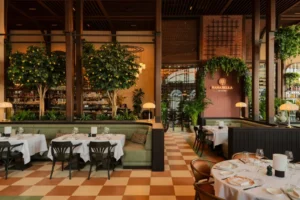
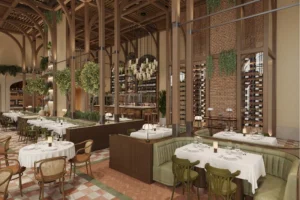
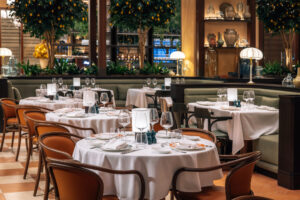
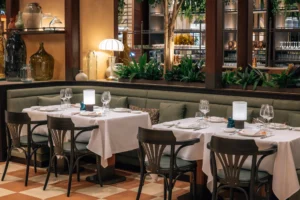
The environment contributes significantly to the Italian eating experience. Italian restaurants are such that they enable the patrons to feel at ease, welcome, and part of the culture behind the food. The location, service, and general atmosphere are all combined to make the moments around the table memorable.
Most Italian restaurants that typify true Italian hospitality have a touch of both luxurious design and hospitable services. As an illustration, MamaBella in Downtown Dubai recreates the beauty of traditional Italian cuisine by integrating the Sardinian inspiration, the Mediterranean warmth, and the loving hospitality. There is an emphasis on involvement with food but also connection, comfort, and mutual enjoyment.
Charming Hospitality and Friendly atmosphere
Italian culture appreciates hospitality. Treatment of guests is as a family and service is based on comfort and individual attention.
Key elements include:
- Reciprocal and caring employees.
- Individualized food suggestions.
- Slow pacing that enables the guest to have time to enjoy every course.
- A friendly environment that promotes dialogue.
This style is based on the Italian philosophy of eating at home that is like coming together at a family table.
Cottage-style but fancy interior design
The beauty of Mediterranean culture is usually reflected in the interior of an Italian restaurant. Most of the spaces are a blend of rustic and modern elegance.
Characteristic design elements are:
- Stone and wood are natural products.
- Cosy lighting that develops a welcoming environment.
- Italian coast Mediterranean colors.
- Open kitchen designs which exhibit cooking skills.
The design style makes the guests identify with the Italian tradition.
Food as a Socializing Event
Italian culture dictates that meals be communal. Dining is not rushed. Rather, it is a time of communication and bonding.
- Italian restaurant services usually involve:
- Family meals, during which several generations are united.
- Business lunches, which provide a casual atmosphere to the meetings.
This is a social side of the meal which represents one of the main principles of Italian culture, according to which eating unites people and forms the exact memories.
How to Choose the Right Italian Restaurant
The selection of the appropriate Italian restaurant could be the difference between the experience of the time you eat. True Italian food is not merely the food itself. The tradition, quality ingredients, and sincere hospitality are also reflected in it.
When choosing a restaurant, it is worth searching for indicators of the fact that the kitchen honors Italian culinary traditions. The sophisticated diner usually goes beyond what is on the menu and listens to the technique of making the food, the quality of foods used, and the general ambience of the restaurant.
The restaurants offering the dishes with the touch of authenticity, like MamaBella in Downtown Dubai, usually combine the traditional recipes with the atmosphere of the cozy environment based on the Italian culture and Sardinian legacy.
This attention to detail is an indication of both the culinary skills and the desire to eat authentic Italian cuisine.
Look for Handmade Pasta on the Menu
Fresh pasta is one of the clearest signs of an authentic Italian kitchen. Handmade pasta usually has a better texture and absorbs sauces more naturally.
Signs of authentic pasta preparation include:
- Pasta made fresh daily in the kitchen
- Traditional shapes such as fettuccine, tortelli, or pappardelle
- Simple sauces that highlight the pasta rather than overpower it
Fresh pasta reflects true Italian craftsmanship.
Check for Authentic Italian Ingredients
Quality ingredients are essential in Italian cuisine. Authentic restaurants use traditional products imported from Italy or sourced carefully.
Look for ingredients such as:
- San Marzano tomatoes
- Parmigiano Reggiano cheese
- Extra virgin olive oil
- Fresh herbs and seasonal vegetables
These ingredients create the distinctive flavor of classic Italian dishes.
Notice Traditional Cooking Methods
Authentic Italian restaurants often follow traditional cooking techniques that enhance flavor and preserve culinary heritage.
Common techniques include:
- Wood-fired ovens for pizza
- Slow-cooked sauces and ragù
- Fresh seafood prepared with simple Mediterranean seasoning
These methods show a strong respect for Italian culinary traditions.
Pay Attention to Atmosphere and Hospitality
A true Italian dining experience also depends on the atmosphere. Italian restaurants often create a space where guests feel comfortable and welcomed.
Key elements to observe include:
- Friendly and knowledgeable staff
- Warm interior design inspired by Mediterranean culture
- A relaxed environment that encourages conversation
When these elements come together, the restaurant offers more than a meal. It delivers an authentic Italian dining experience shaped by tradition, expertise, and hospitality.
A Taste of Italy That Stays With You
Italian dining is about more than recipes. It reflects stories, family traditions, and the joy of gathering around the table. Authentic restaurants bring these elements together through handcrafted pasta, fresh Mediterranean ingredients, and warm hospitality that makes every guest feel welcome.
From classic pizza and flavorful seafood to timeless desserts, each dish carries the spirit of Italian culinary heritage. This dedication to quality and tradition is what defines the best Italian restaurant, where food becomes a journey through Italy’s culture and regional flavors.
If you want to experience authentic Italian cuisine in an elegant yet welcoming setting, discover the flavors of MamaBella in Downtown Dubai. Reserve your table and enjoy a dining experience where tradition, craftsmanship, and genuine Italian hospitality come together.
Find More: Best Italian Restaurant in Downtown Dubai: Why MamaBella Stands Out