Pasta is a dish that fits any moment at the table. From routine meals to special gatherings it works every time. It is popular because of its warmth and taste. Despite feeling simple it is always satisfying. Its taste has evolved to many flavours and moods. It is quick to make when you want a hasty meal. In this guide you will learn the general preparation of it and why it is one of the most popular dishes of modern time.
Why Pasta Works for Every Occasion
Pasta has been around for many years and loved by people who like tasty meals. It is easy to prepare and most affordable. It comes in different shapes and you can use different sauces which give endless choices. It can be prepared fast without losing the texture and flavor. With rich sauces and some meat you can make it special for your guests. The perfect balance is the secret behind pasta’s success. You can make it bot in casual or refined tone depending on the recipe.
Everyday Pasta: Comfort in a Bowl
Quality time like weekends with your family requires meals that feel filling and satisfying without spending too much time in the kitchen. Pasta is the perfect dish that fits in these situations. Spaghetti with some seafood, garlic and olive oil is the most sought out choice while preparing pasta.
People also use chili flakes and parsley for extra taste. Another favorite variant of this dish is penne with tomato and basil sauce which feel light yet satisfying. You can add parmesan cheese to add depth and warmth in your pasta. With butter and cream you can prepare a pasta which is both rich and delicious.
Pasta for Special Occasions
It is a dish which is also popular on special occasions and celebrations. Its many variants look elegant on the table yet very simple to prepare. With some seafood and white wine you can make it special. Ravioli with spinach and ricotta is always loved in pasta. Lasagna is a dish widely used in gatherings. With layers of pasta, meat sauce and béchamel you can create a rich meal.
Romantic dinners often feature lighter pasta dishes to add flavor and warmth. Tagliatelle with truffle cream works beautifully. Spaghetti with prawns and cherry tomatoes also impresses guests who appreciate good food. Use fresh ingredients to keep these meals flavorful and balanced. You can also serve warm bread and Italian wine beside the pasta.
The Magic of Sauce Pairing
Sauces are the main ingredient to shape the falvor of any pasta. You have to choose the right sauce with a pasta type to make the taste ultimate. For example, tomato sauce works better with short shapes like penne. Rigatoni also holds sauce inside its ridges. Creamy sauces match flat noodles such as fettuccine. Carbonara or Alfredo coat these noodles smoothly.
Seafood or vegetable sauces suit long pasta shapes. Linguine or spaghetti lets those flavors stand out. Fresh ingredients improve every pasta dish. Herbs, olive oil and good cheese add depth. These small choices make a big difference
Regional Influence and Italian Heritage
Italy offers many pasta traditions across its regions because of its birthplace. In Northern Italy people often use butter and creamy sauces in preparing pasta. Southern Italy prefers olive oil and tomatoes to make it light. The use of seafood is more popular near coastal areas.
Sicilian cooking includes eggplant and capers. Tuscany is known for hearty meat sauces used to make delicious pasta dishes. Italian cooking always values balance and fresh ingredients in their cooking. Meals usually stay simple and honest. That style keeps flavors clear and natural. These traditions inspire cooks around the world.
The Joy of Homemade Pasta
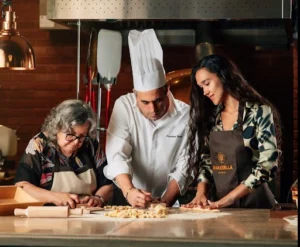
Mothers find making pasta at home more rewarding and satisfying due to its common ingredients that include egg, flour and dough. Kneading and rolling takes time but also feels satisfying. Fresh pasta is better than dried pasta because it absorbs sauces easily and tastes rich. Many beginners start with fettuccine or tagliatelle. These shapes are simple to cut and cook. Later you can try filled pasta shapes. Ravioli or tortellini bring new skills to the kitchen.
Types of Pasta for Every Mood
There are many pasta shapes to explore. Each type suits certain sauces and textures. Short pasta like penne holds chunky sauces well. Fusilli twists help capture bits of sauce. Long pasta like spaghetti suits light sauces. Linguine works well with seafood dishes. Stuffed pasta brings extra richness to meals. Ravioli or cannelloni feel perfect for special dinners. Trying new shapes makes cooking more fun. It also keeps pasta meals interesting.
The All-Time Favorites
Some pasta dishes remain popular everywhere. Spaghetti Bolognese is a well loved classic. Lasagna also appears on many family tables. Fettuccine Alfredo offers a creamy and rich taste. Penne arrabbiata brings heat and bold flavor. These meals stay popular for a reason.
They combine comfort and strong flavor. Mediterranean cooking values fresh produce and olive oil. Cheese and herbs also shape many recipes. These ingredients create pasta dishes people remember.
Choosing the Right Pasta
Different sauces need different pasta shapes. Thin sauces work best with long noodles. Thick sauces hold better on short pasta shapes. Ridged pasta traps sauce inside its grooves. Filled pasta works well with light butter sauces. Sage or olive oil keeps the flavor balanced. Learning these pairings improves your cooking skills. It also makes meals taste more balanced. Small choices help create better pasta dishes.
The Best Pasta Dishes for All Tastes
Great pasta dishes rely on balance and flavor. The sauce should match the pasta well. Seasoning should highlight the main ingredients. Creamy sauces please many pasta lovers. Tomato sauces feel bright and fresh. Some people enjoy spicy versions too. Vegetables add color and freshness to meals.
Lean proteins like chicken or seafood add depth. These additions keep the dish satisfying yet lighter. Pasta done right feels comforting with every bite.
Hosting with Pasta
Pasta works well when hosting friends or family. You can prepare sauces before guests arrive. Cook the pasta shortly before serving dinner. This keeps the meal fresh and warm.
Offer two pasta options for variety. Lemon spaghetti brings a light taste. Truffle cream fettuccine adds richness. Pair the meal with wine and salad. Finish the evening with a simple dessert. Guests often remember these meals fondly.
Pasta Beyond Italy
Pasta started in Italy but spread across the world. Many cultures now cook their own versions. Some regions prefer spicy tomato sauces. Others enjoy creamy pasta dishes. These changes reflect local taste and tradition. Pasta adapts easily to new ideas. That flexibility keeps it popular everywhere. People from many cultures share pasta meals today.
Conclusion
Pasta is a dish that fits both simple dinners and festive meals. It brings comfort and flavor to tables that families enjoy during busy weekdays or refreshing weekends. Guests enjoy it during special gatherings. Cooking pasta also encourages creativity in the kitchen with its wide variety of choices in ingredients.
Every recipe offers a chance to try new flavors. If you want real Italian taste in Dubai, visit MamaBella Ristorante at Kempinski The Boulevard. Enjoy handmade pasta inspired by regional Italian cooking traditions. For reservations call 00 971 44 308 999 or email contact@mamabella.co. Let MamaBella share the taste of Italy with you.
FAQs
1. What’s the difference between fresh pasta and dried pasta?
You should know that fresh pasta usually feels softer and it cooks much faster with the ability to absorb more sauces. It can be made with eggs, which is why the taste feels a bit richer and the texture is smoother for food lovers. Dried pasta stays firmer when you cook it and holds its shape better. That’s also the reason many people keep dried pasta at home since it lasts much longer.
2. How can I make my pasta sauce taste better?
Use simple ingredients to make pasta more simple yet satisfying. Chefs use olive oil, garlic, and fresh herbs to improve the flavor. It is better to let the sauce cook slowly so the ingredients blend properly. One small tip that works well is adding a little pasta water at the end, because it helps the sauce coat the pasta nicely.
3. What’s the best way to reheat pasta without drying it out?
To keep its flavor, add some water when you heat pasta that was prepared earlier. You can also use sauce to enhance its flavor while heating it. Use low heat or flame so that it remains soft and flavorful. It helps keep it light.
4. How do I know when pasta is cooked just right?
The easiest way to check pasta is simply by smelling or tasting it. It should feel soft but holds its texture while you taste it. You should consider replacing it if it feels too soft, hard or mushy.
5. What wine goes well with pasta dishes?
Choosing the right sauce and wine matters while you cook pasta. Pasta prepared with tomatoes often pairs well with red wines like Chianti. If the pasta is creamy, many people prefer Chardonnay. For seafood pasta, a light white wine such as Pinot Grigio usually works very well.